

 01
01LATEST INFORMATION
Stay informed.
Browse the latest circulars, regulatory updates and operational notices from Depot Kadmar International.
01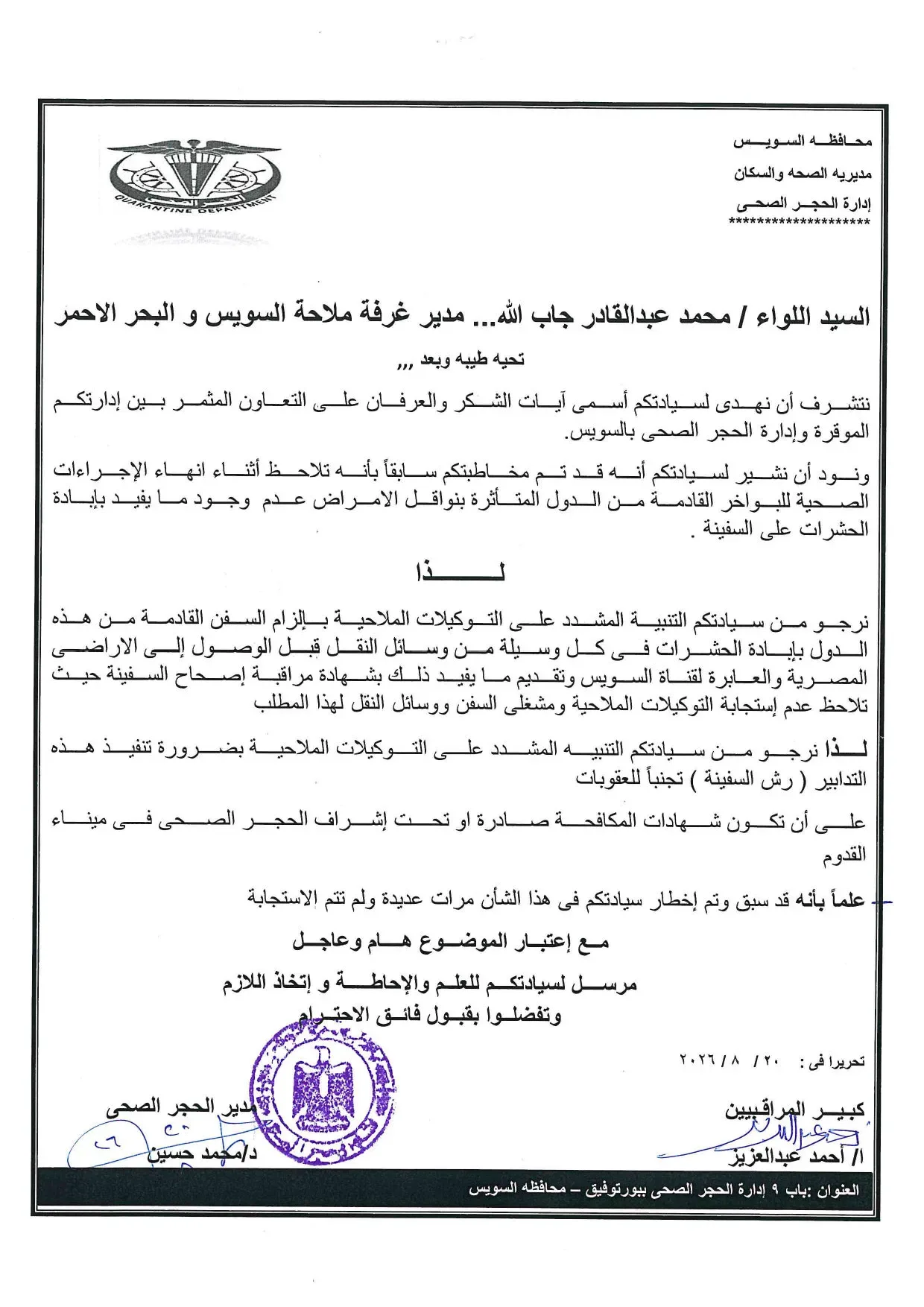 02
02Circular No. 7/2026 – Mandatory Disinsection and Certification for Vessels Arriving from Vector-Affected Countries
Depot Circular No. 7/2026 – Mandatory Disinfection and Certification for Vessels Arriving from Countries Affected by Disease Vectors
Read more 03
03Circular No. 6/2026 – Eid al-Adha Holiday Notice
Depot Kadmar International wishes everyone a blessed Eid Al-Adha and confirms 24/7 operations throughout the holiday to ensure uninterrupted logistics and supply chain services.
Read more 04
04Circular No. 5/2026 – Daylight Saving Time Implementation
Egypt implements Daylight Saving Time from April 24, 2026, shifting local time forward by one hour and affecting port, Suez Canal, vessel, and inland logistics operations.
Read more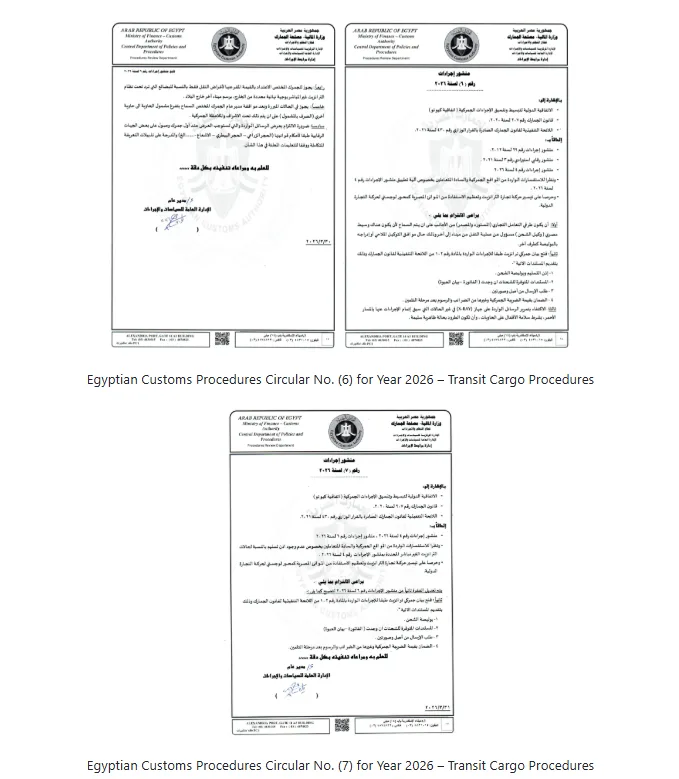 05
05DEPOT Circulars No. 3 & 4/2026 – Egyptian Customs Transit Cargo Procedures
Egyptian Customs Authority issued new procedures for transit cargo, covering customs declarations, required documents, inspection, guarantees, repacking, valuation, and regulatory compliance at Egyptian ports.
Read more 06
06Circular No. 2/2026 – Egypt Raises Fuel Prices
Egypt raises fuel prices effective March 10, 2026, increasing transportation and overall logistics costs.
Read more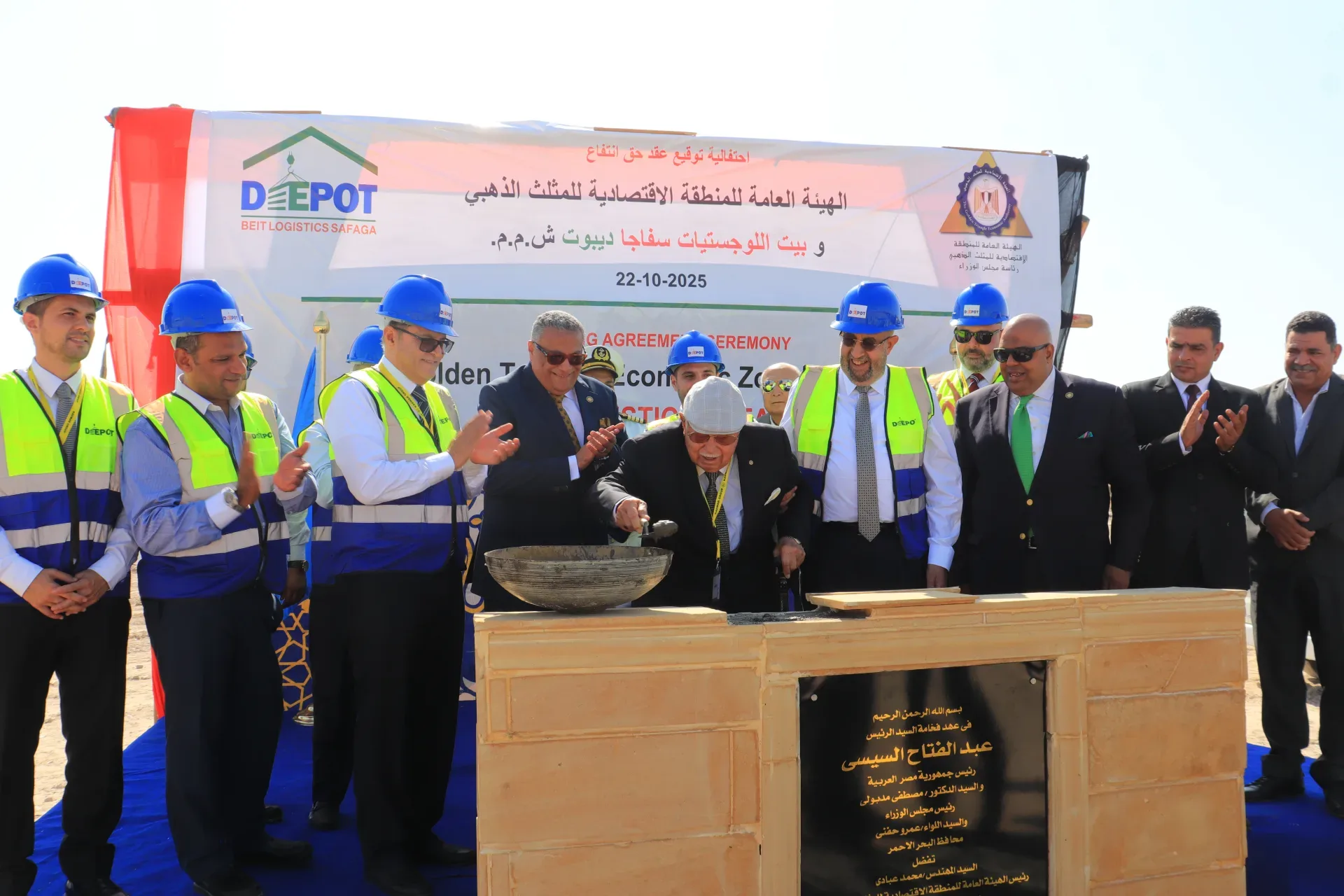 07
07Beit Logistics Safaga Launch
Golden Triangle Authority and Beit Logistics sign agreement for a new Safaga logistics center, strengthening regional trade and creating around 350 jobs.
Read more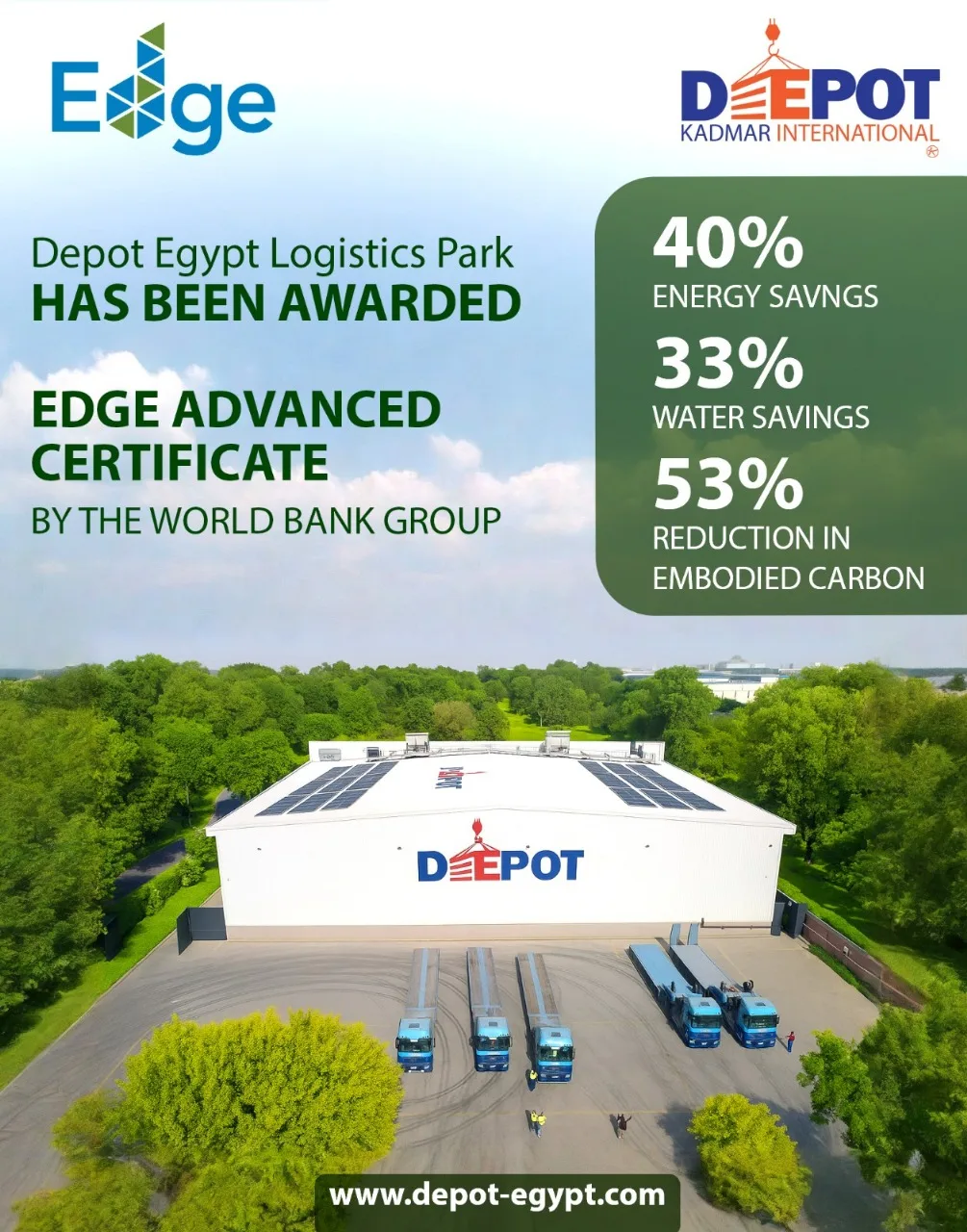 08
08EDGE Certification
Depot Kadmar International received EDGE Advanced certification under IFC’s EDGE program.
Read more 09
09DEPOT KADMAR INTERNATIONAL Achieves ISO 9001, ISO 14001 and ISO 45001 Certification
Depot KADMAR INTERNATIONAL Achieves Prestigious ISO Certifications
Read more10Egypt has re-raised fuel prices to link energy prices to the international markets.
Egypt has re-raised fuel prices to link energy prices to the international markets.
Read more 11
11Central Bank of Egypt Moves to a Flexible Exchange Rate
The Central Bank of Egypt moved to a more flexible exchange-rate regime, allowing the pound to be priced by market supply and demand.
Read more